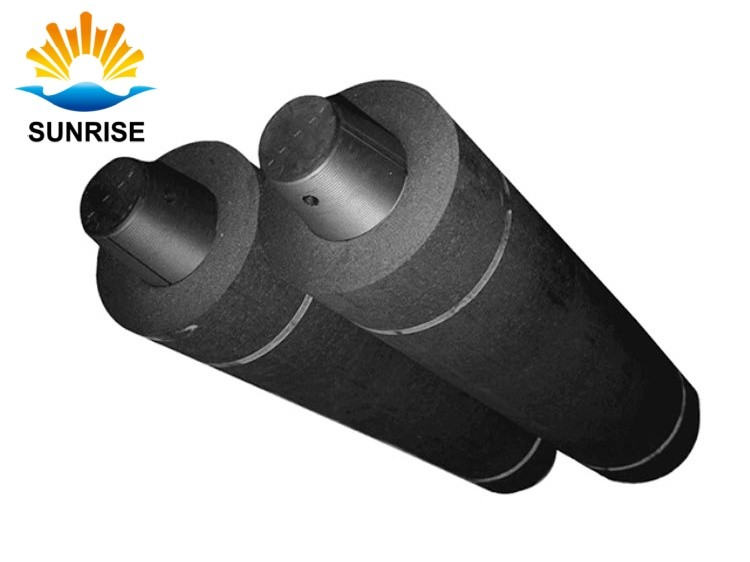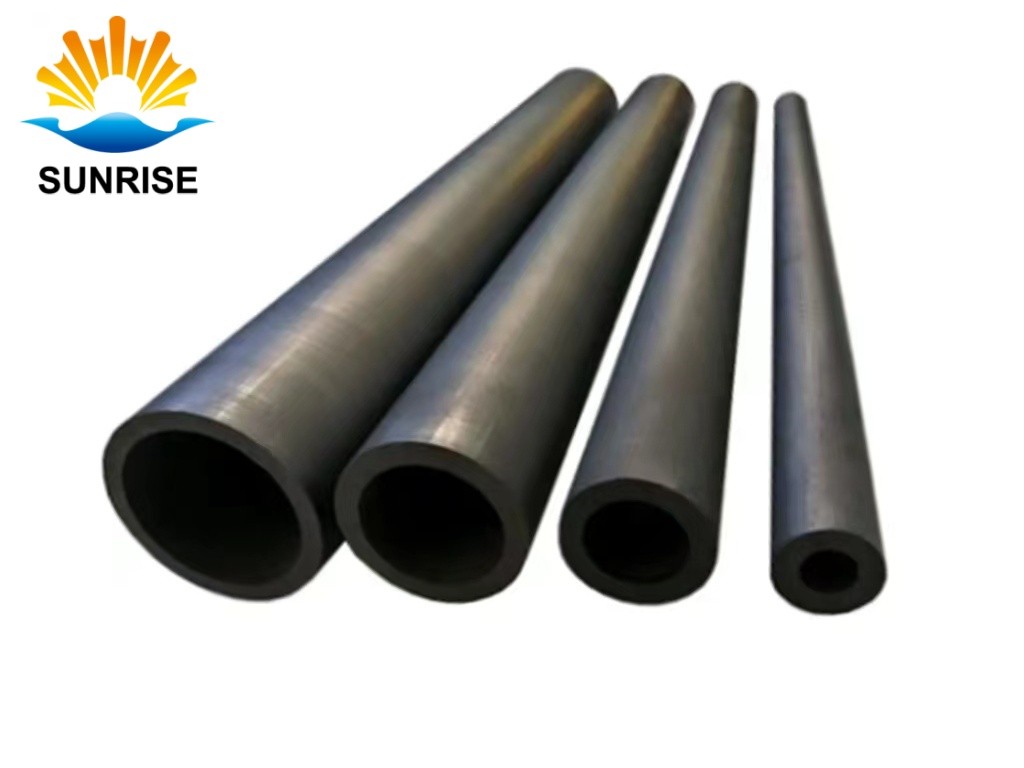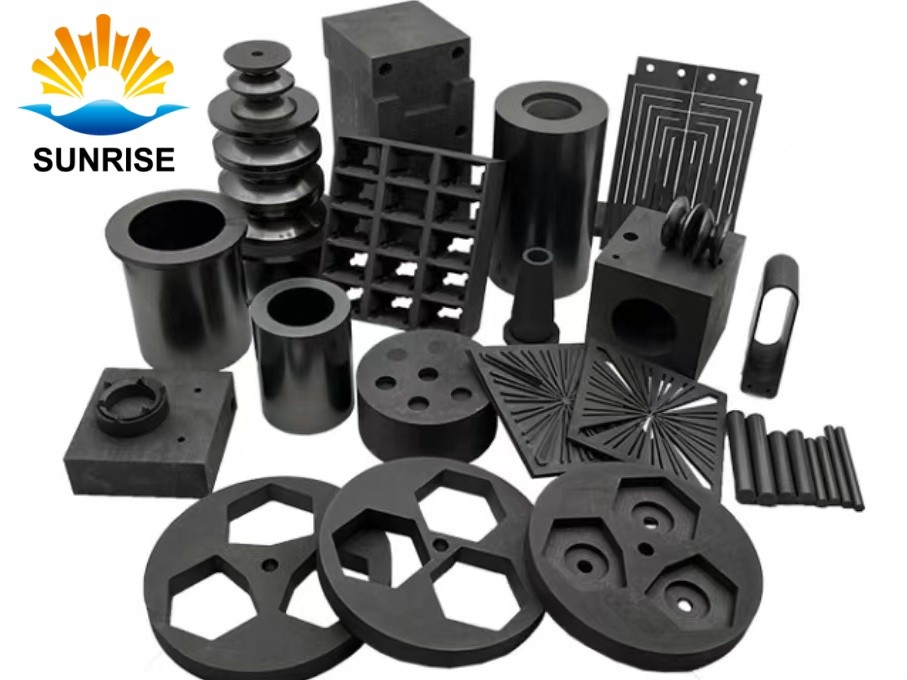

Graphite Electrode

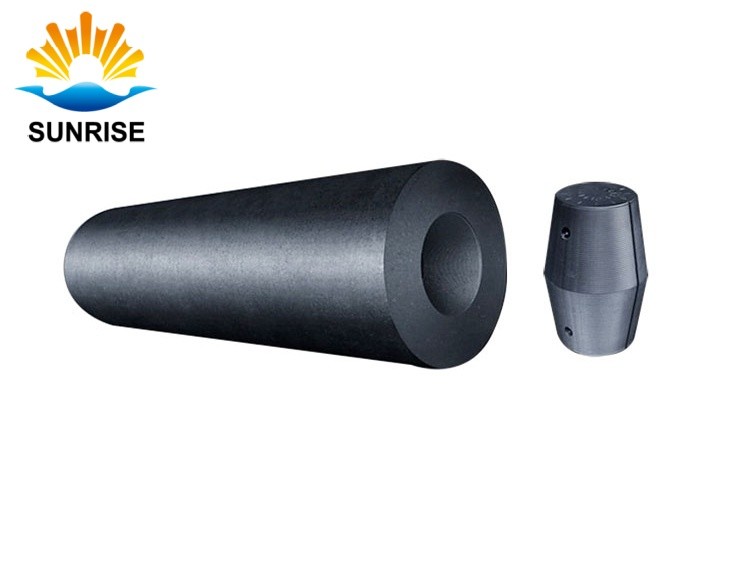
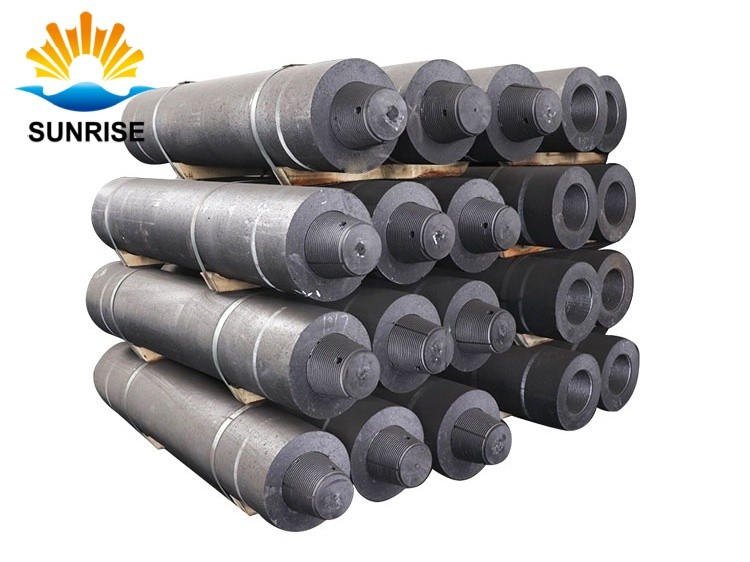
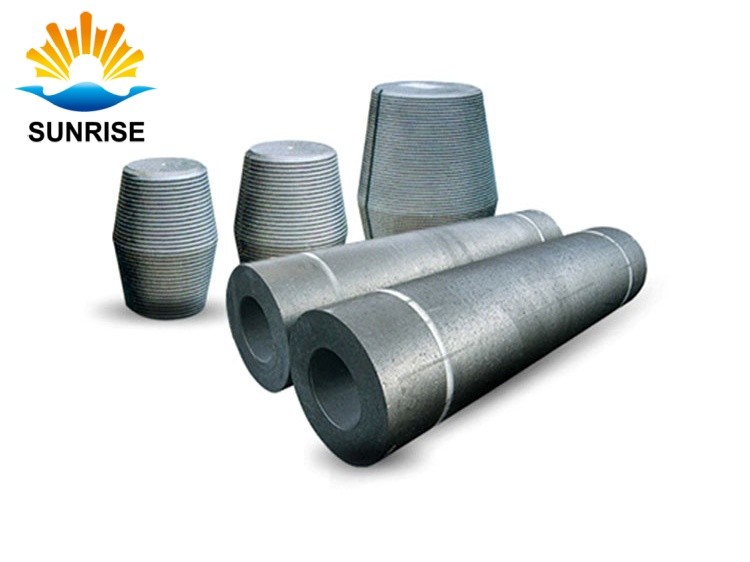
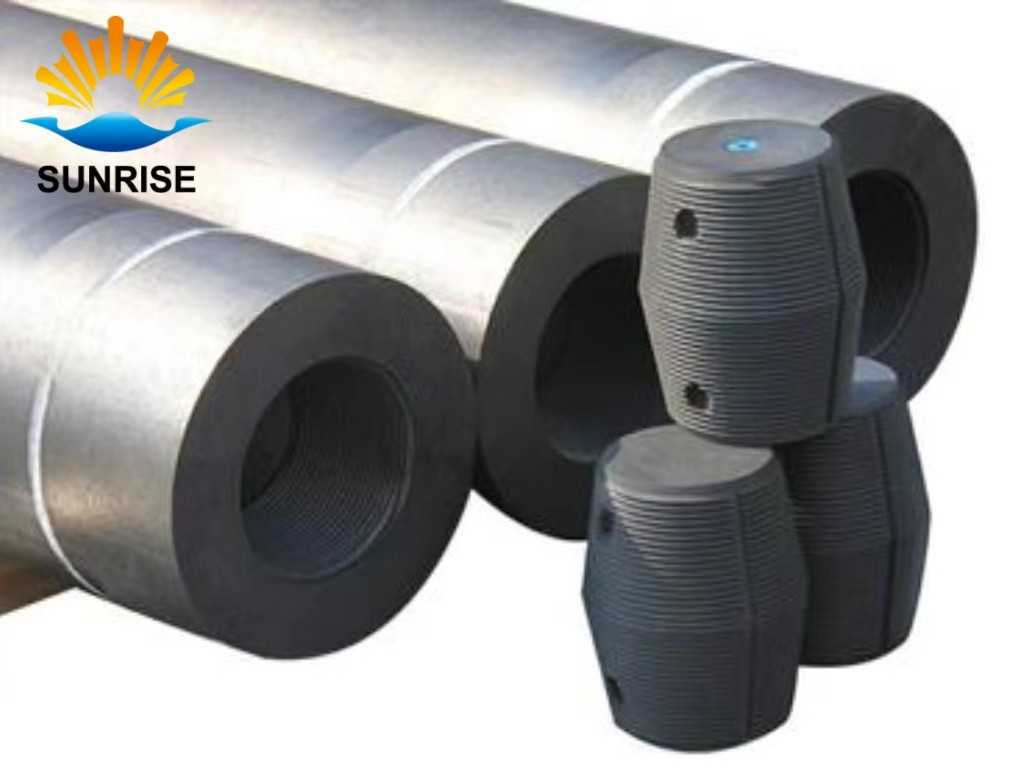
Ordinary graphite electrode
Bulk Density g/cm³ ≥1.55
Elastic Modulus GРa ≤9.3
Transverse Strength MPa ≥6.4
Specific Resistance μΩ·m ≤9.0
C.T.E (100~600℃): ≤2.9
Ash Content % ≤0.5
PRODUCT DESCRIPTION
The graphite electrode is a high-temperature graphite conductive material, with a core of petroleum coke, tar coke as a filler, and coal tar as a binder. We produce and sell graphite electrodes and nipples to them. Based on quality, they are divided into ordinary power graphite electrodes, high power graphite electrodes, and ultra high power graphite electrodes.
The main raw material for graphite electrode production is petroleum coke. The ordinary power graphite electrode can be added with a small amount of pitch coke. The sulfur content of petroleum coke and pitch coke cannot exceed 0.5%. Needle coke is also required for the production of high power or ultra high power graphite electrodes. The main raw material for aluminum anode production is petroleum coke, and the control sulfur content is not more than 1.5% to 2%. Petroleum coke and pitch coke should meet the relevant national quality standards.
Ordinary graphite electrodes are designed for regular-power electric arc furnaces, widely adopted in steelmaking, silicon smelting and yellow phosphorus production.
Manufactured primarily from petroleum coke with coal tar pitch as the binder, some formulas add needle coke as raw material. The complete production workflow includes calcination, proportioning, kneading, forming, baking, graphitization and precision machining, with a total production cycle of around 45 days.
As key conductive components for arc metallurgical furnaces, Ordinary graphite electrodes generate electric arcs to heat and melt furnace burden for smelting all types of non-ferrous and rare metals. They support stable operation under current densities above 17 A/cm².
Diameters range from 100 mm to 960 mm to match various furnace tonnages.
Product Advantages:
1. Premium Raw Materials:
Made of high-purity petroleum coke and pitch coke, ensuring stable and consistent overall performance.
2. Excellent Electrical Conductivity:
Features low resistivity, allowing smoother current transmission and more efficient arc generation inside electric arc furnaces.
3. Superior Mechanical Strength:
Delivers strong bending and compression resistance. It is not easy to crack, break or segment during high-load operation, ensuring stable production.
4. High Cost Performance:
With mature and simplified manufacturing processes, the product offers stable quality at a competitive price, bringing higher economic benefits for customers.
5. Precise Machining & Smooth Surface:
Adopts high-precision machining technology with fine surface finish, ensuring perfect fitting and stable use.
Industrial Uses of Ordinary Graphite Electrodes:
Ordinary graphite electrodes are widely applied in electric arc furnace (EAF) steelmaking, metallurgical casting and other industrial scenarios. They are suitable for electric arc furnaces, ladle furnaces and submerged arc furnaces, as well as all melting processes that require high-temperature operating conditions and efficient electrical conductivity.
Ordinary graphite electrodes serve as stable conductive channels for current transmission inside electric arc furnaces. They enable precise control of temperature and current parameters throughout the smelting process, supporting accurate melting, refining and alloying of raw materials. Thanks to their uniform electrical conductivity and low thermal expansion coefficient, these electrodes deliver stable and reliable performance for conventional EAF steelmaking production.
It is worth noting that Ordinary graphite electrodes are exclusively designed for ordinary-power electric arc furnaces and are not applicable to high-power (HP) or ultra-high-power (UHP) furnace equipment. Different grades of graphite electrodes must be selected and matched according to the actual power parameters of electric furnaces to ensure optimal operating efficiency.
TECHNIQUE DATA
RP Graphite Electrode | Unit | Diameter | |||
12”-16” | 18”-20” | 24” | |||
Specific resistance | Electrode | μΩ·m | ≤8.0 | ≤8.0 | ≤9.0 |
Nipple | ≤7.0 | ≤7.0 | ≤7.0 | ||
Transverse strength | Electrode | ΜРa | ≥6.8 | ≥6.4 | ≥6.4 |
Nipple | ≥15.0 | ≥13.0 | ≥13.0 | ||
Elastic modulus | Electrode | GРa | ≤9.3 | ≤9.3 | ≤9.3 |
Nipple | ≤14.0 | ≤14.0 | ≤14.0 | ||
Bulk Density | Electrode | g∕cm³ | ≥1.56 | ≥1.56 | ≥1.55 |
Nipple | ≥1.70 | ≥1.70 | ≥1.72 | ||
C.T.E (100~600℃) | Electrode | 10-6∕℃ | ≤2.9 | ≤2.9 | ≤2.9 |
Nipple | ≤2.8 | ≤2.8 | ≤2.8 | ||
Ash content | % | ≤0.5 | ≤0.5 | ≤0.5 | |
Nominal | Ordinary Graphite Electrodes | ||
mm | inch | Current-Carrying Capacity (A) | Current Density (A/cm2) |
300 | 12 | 10000~13000 | 14~18 |
350 | 14 | 13500~18000 | 14~18 |
400 | 16 | 18000~23500 | 14~18 |
450 | 18 | 22000~27000 | 13~17 |
500 | 20 | 25000~32000 | 13~16 |
600 | 24 | 35000~41000 | 13~15 |
Online Message
* Note: Please be sure to fill in the information accurately and keep the communication open. We will contact you as soon as possible