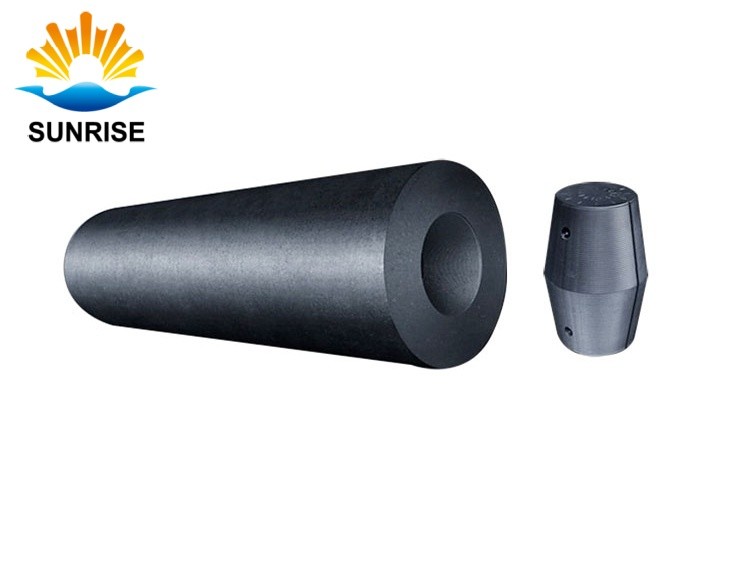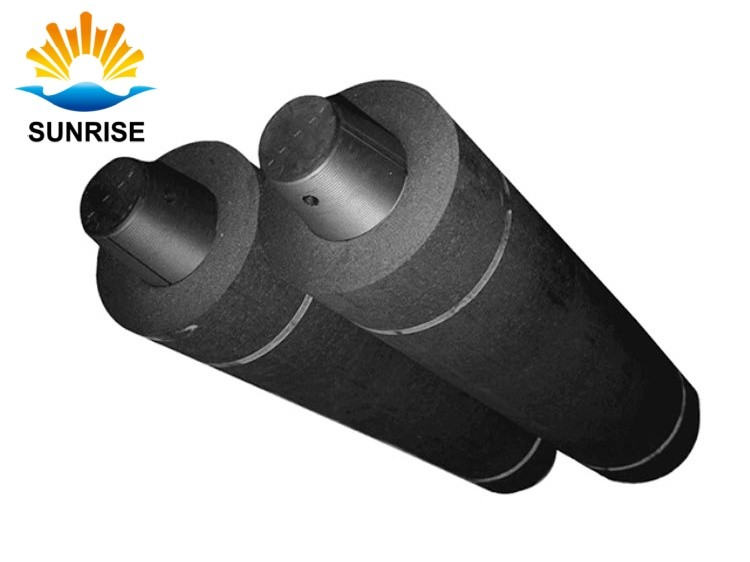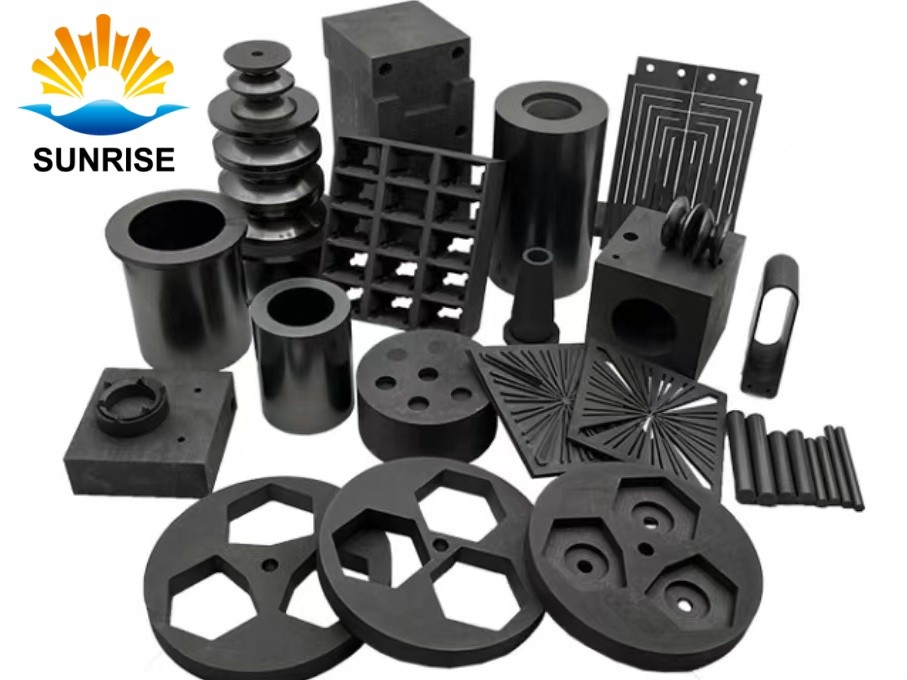

Graphite Electrode

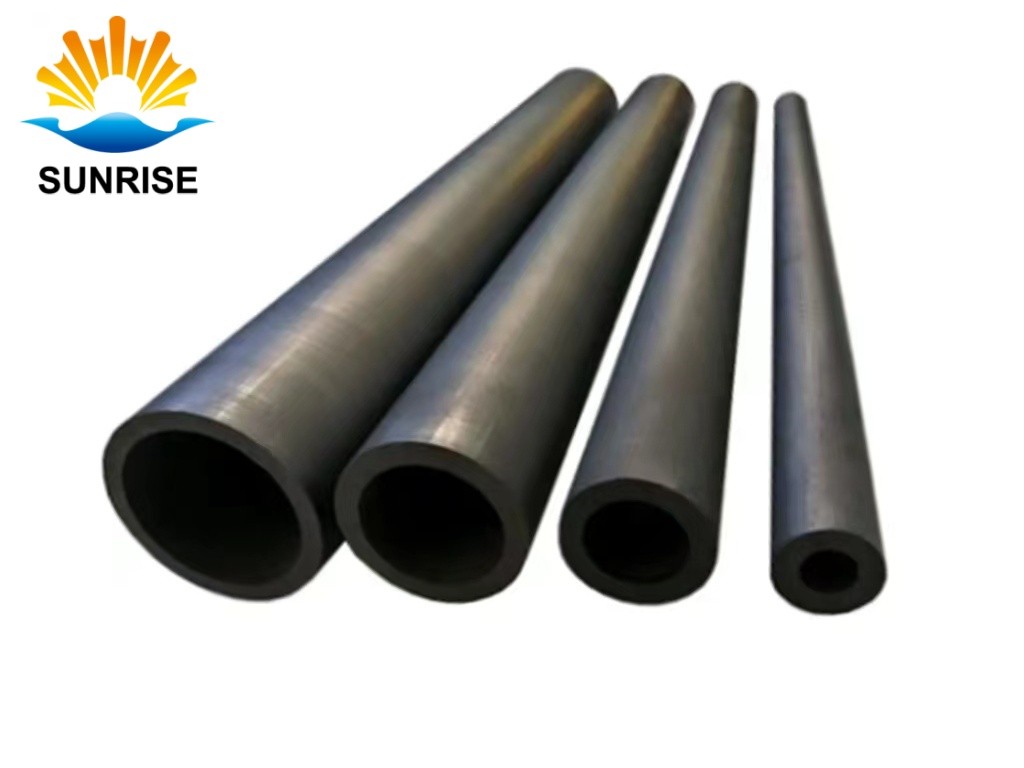
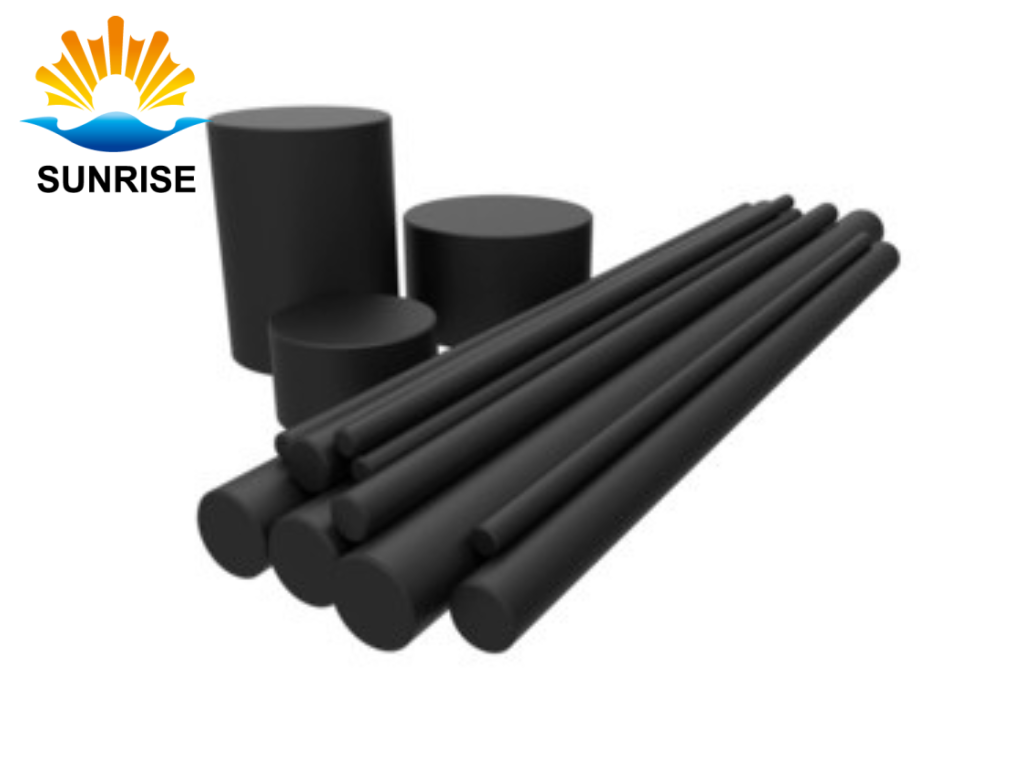
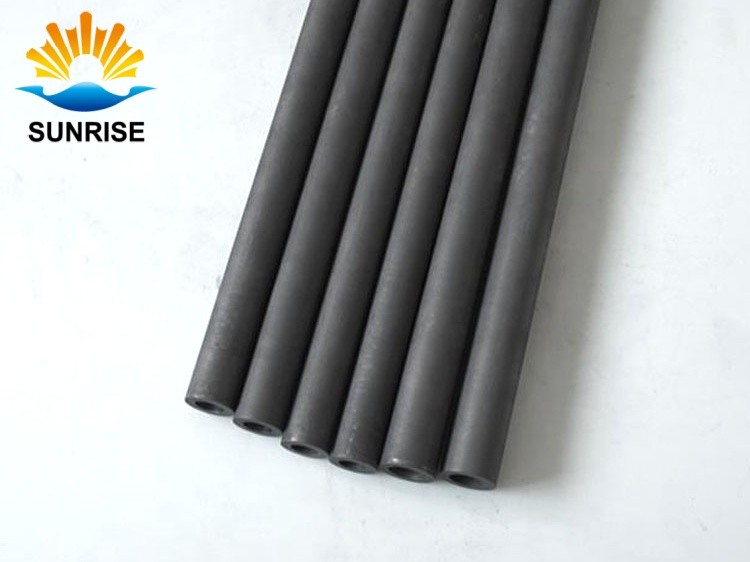
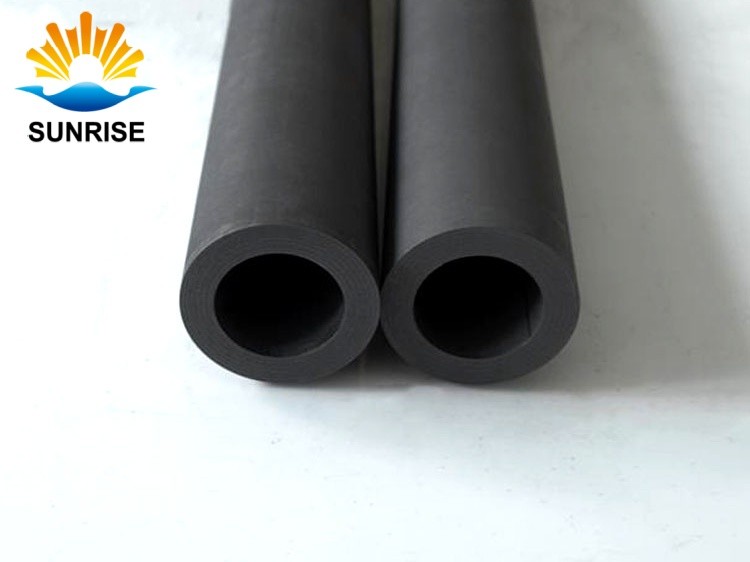
Graphite roller
Bulk Density g/cm³ ≥1.55
Elastic Modulus GРa ≤9.3
Transverse Strength MPa ≥6.4
Specific Resistance μΩ·m ≤9.0
C.T.E (100~600℃): ≤2.9
Ash Content % ≤0.5
PRODUCT DESCRIPTION
Graphite rollers are cylindrical structural components manufactured from high-purity graphite materials. Featuring exceptional thermal stability, electrical conductivity, mechanical performance and tribological properties, they deliver reliable operation across a wide range of modern industrial scenarios. Widely applied in precision wafer transmission for electronic chips, high-temperature forming for steel rolling, and corrosion-resistant material handling for chemical production, graphite rollers adapt perfectly to complex and harsh working conditions. They have become indispensable core components for automated and continuous industrial production lines.
We supply customized graphite rollers in various specifications, including different purity grades, solid-type and hollow-type structures to meet diverse processing requirements.
Core Performance Advantages:
1. Excellent Thermal Stability
Maintains stable physical performance under extreme temperatures ranging from -200°C to 1000°C and above, without deformation or performance degradation.
2. Superior Electrical Conductivity
Provides stable and efficient conductivity to support electroplating, electrolysis and other electrically driven processes.
3. High Mechanical Strength
Boasts excellent compression resistance and torsion resistance, capable of bearing heavy loads and complex mechanical stress during continuous operation.
4. Low Friction Coefficient
Offers outstanding self-lubricating performance, ensuring smooth and stable material transmission with minimal wear.
5. Low Friction Coefficient
With remarkable self-lubricating properties, graphite rollers deliver ultra-low friction, ensuring smooth and stable material transmission while reducing equipment abrasion and operational failure rate.
6. Stable Chemical Inertness & Corrosion Resistance
Possessing excellent chemical inertness, the rollers resist corrosion from most acid, alkali and chemical media, maintaining stable structural performance and long service life in harsh corrosive environments.
Application:
1. Steel Industry
Graphite rollers serve as key rolling and guiding components in steel production. With outstanding high-temperature resistance and wear resistance, they withstand extreme heat and friction during
2. Electronics & Semiconductor Industry
In semiconductor lithography processes, high-precision graphite rollers are used for wafer carrying and transmission. Their stable rotational accuracy ensures precise positioning and improves lithography yield. During electronic component coating and surface treatment, graphite rollers maintain stable operation at high temperatures, enabling uniform workpiece coating and meeting the ultra-precision manufacturing standards of the electronics industry.
3. Photovoltaic Industry
Graphite rollers are widely used in the cutting and grinding processes of monocrystalline and polysilicon production. Their excellent wear resistance and self-lubricating properties significantly improve silicon wafer processing efficiency and surface quality. During solar panel manufacturing, graphite rollers ensure accurate positioning and stable transmission of battery cells, supporting high-precision printing, coating and assembly processes for efficient photovoltaic production.
4. Glass Industry
In float glass production, graphite rollers support and transport high-temperature glass ribbons. Their high-temperature stability and low-friction surface ensure smooth glass movement and flawless flatness. They are also applied in glass hot bending and tempering processes, maintaining stable structural performance under continuous high-temperature conditions and ensuring precise glass forming quality.
5. Chemical Industry
Benefiting from superior chemical inertness and corrosion resistance, graphite rollers are used as stirring and supporting components in chemical reactors to promote uniform and stable chemical reactions. For chemical material conveying systems, they resist erosion and abrasion from corrosive media, maintaining long-term operational stability and meeting the strict requirements of specialized chemical production environments.
TECHNIQUE DATA
Online Message
* Note: Please be sure to fill in the information accurately and keep the communication open. We will contact you as soon as possible