
Magnesia Series Brick

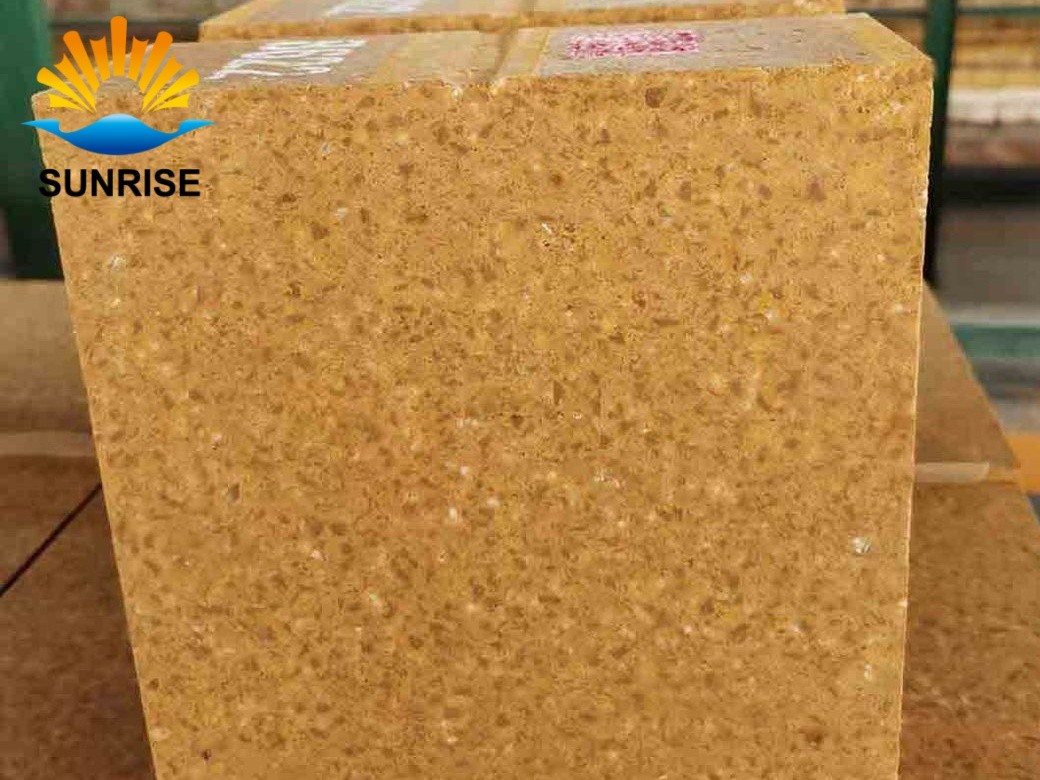
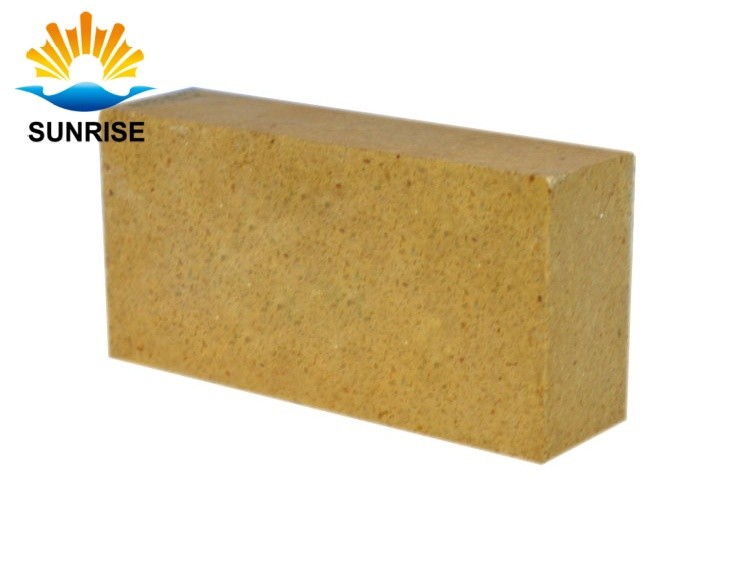
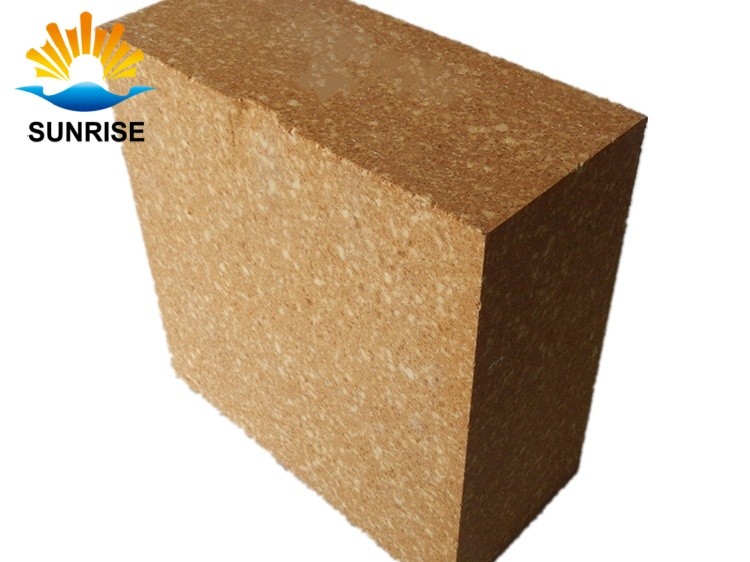
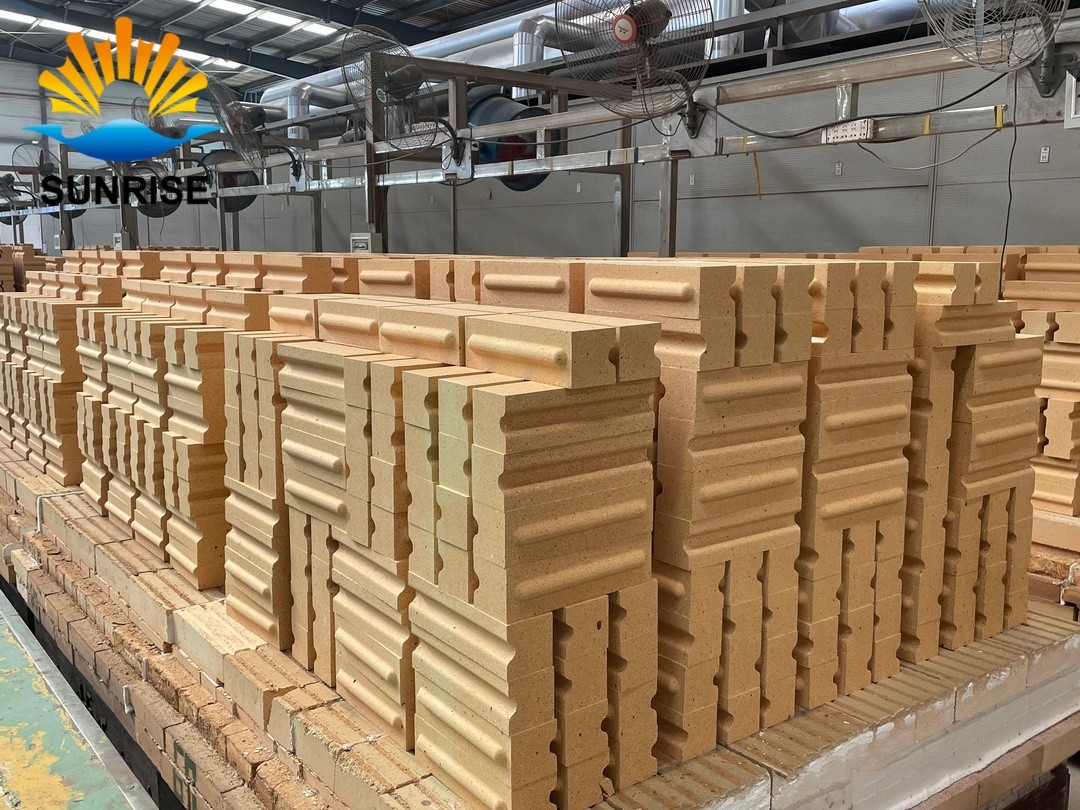
Magnesia Alumina Spinel Brick
MgO: 80-85%
Al2O3: 5-17%
Bulk Density:2.9g/cm3
Cold Crushing Strength: 40MPa
0.2MPa Refractoriness Under Load T0.6: 1620-1650℃
PRODUCT DESCRIPTION
Magnesia Alumina Spinel Brick
Introduction
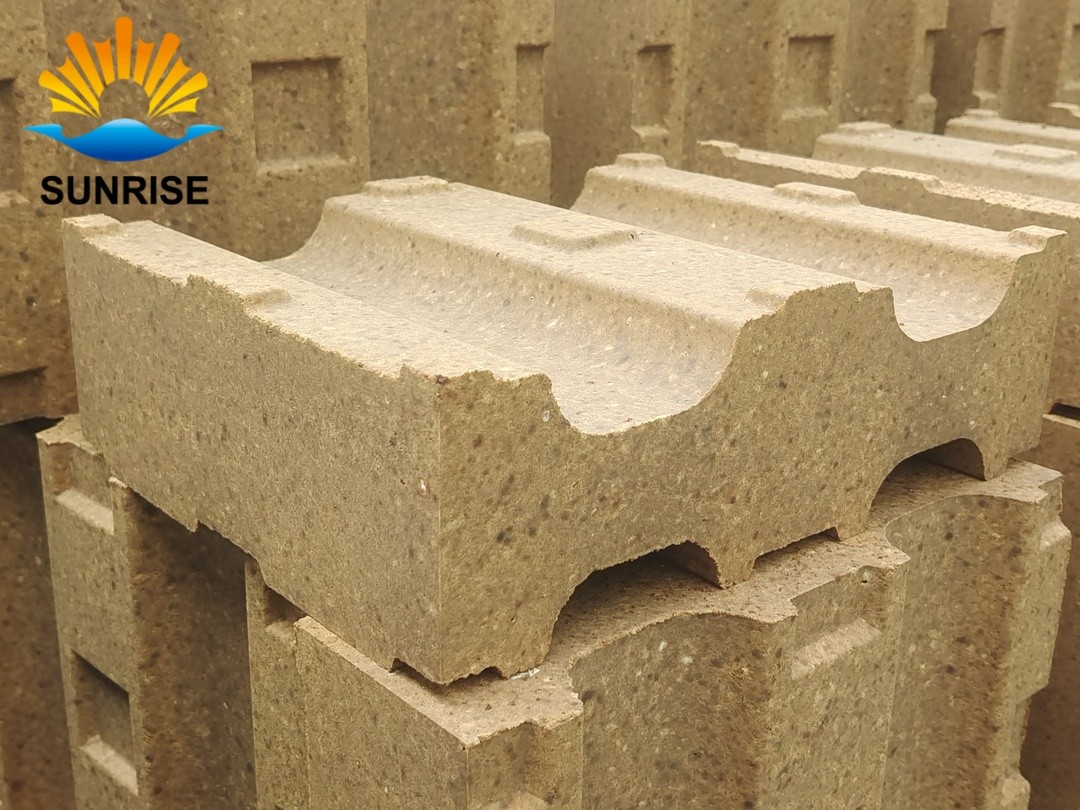
Magnesia alumina spinel bricks are premium-grade refractory alkaline materials engineered for modern high-temperature industrial furnaces. Manufactured using high-purity fused or sintered magnesia and synthetic magnesia-alumina spinel grains, these bricks are formed under ultra-high pressure and fired at precise high temperatures.
During the sintering process, a specialized network of periclase-spinel direct bonding forms within the matrix. This unique microstructure effectively eliminates the structural weaknesses of traditional basic refractories, offering a perfect balance of thermal stability, mechanical strength, and chemical inertness. It stands as the premier eco-friendly alternative to traditional magnesia-chrome linings.
Advantages
Exceptional Thermal Shock Resistance: The distinct difference in thermal expansion coefficients between periclase and spinel creates a highly engineered network of micro-cracks during firing. These micro-cracks absorb sudden thermal stresses, allowing the bricks to withstand severe temperature fluctuations without cracking, spalling, or peeling.
100% Chromium-Free & Eco-Friendly: Containing zero chromium, these bricks eliminate the risk of forming toxic hexavalent chromium (Cr⁶⁺) under alkaline, high-temperature operations. They are fully compliant with the stringent environmental and green production regulations enforced worldwide.
Superior Corrosion and Clinker Resistance: The chemically stable spinel phase forms an inert barrier that strongly resists the penetration and chemical erosion of volatile alkalis, sulfates, cement clinkers, and basic slags.
Excellent High-Temperature Volume Stability: Exhibiting a low thermal expansion coefficient and high refractoriness under load over 1700°C, the bricks guarantee zero residual shrinkage or deformation during extended campaigns, securing the structural integrity of the furnace lining.
Superb Resistance to Structural Spalling: Because aggressive molten slags and industrial vapors cannot deeply infiltrate the dense micro-porous matrix, the brick prevents the formation of a brittle altered layer, stopping thick structural chunks from falling off.
Applications
1. Cement & Lime Industry
· Rotary Kiln Burning Zones: The industry standard lining for the burning, transition, and safety zones of modern large-scale cement rotary kilns and lime kilns, offering exceptional coating-holding capabilities and extended campaign lives.
2. Glass Industry
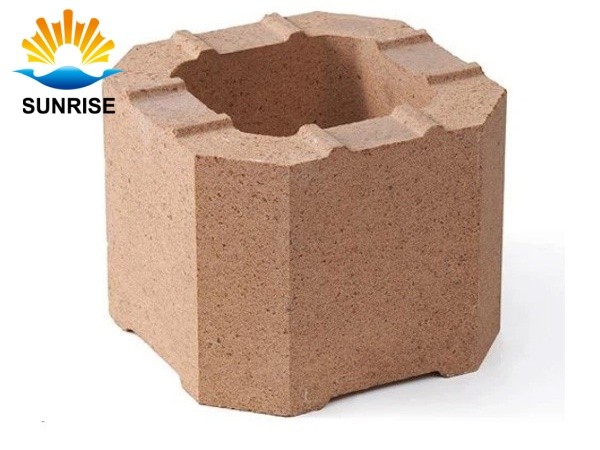
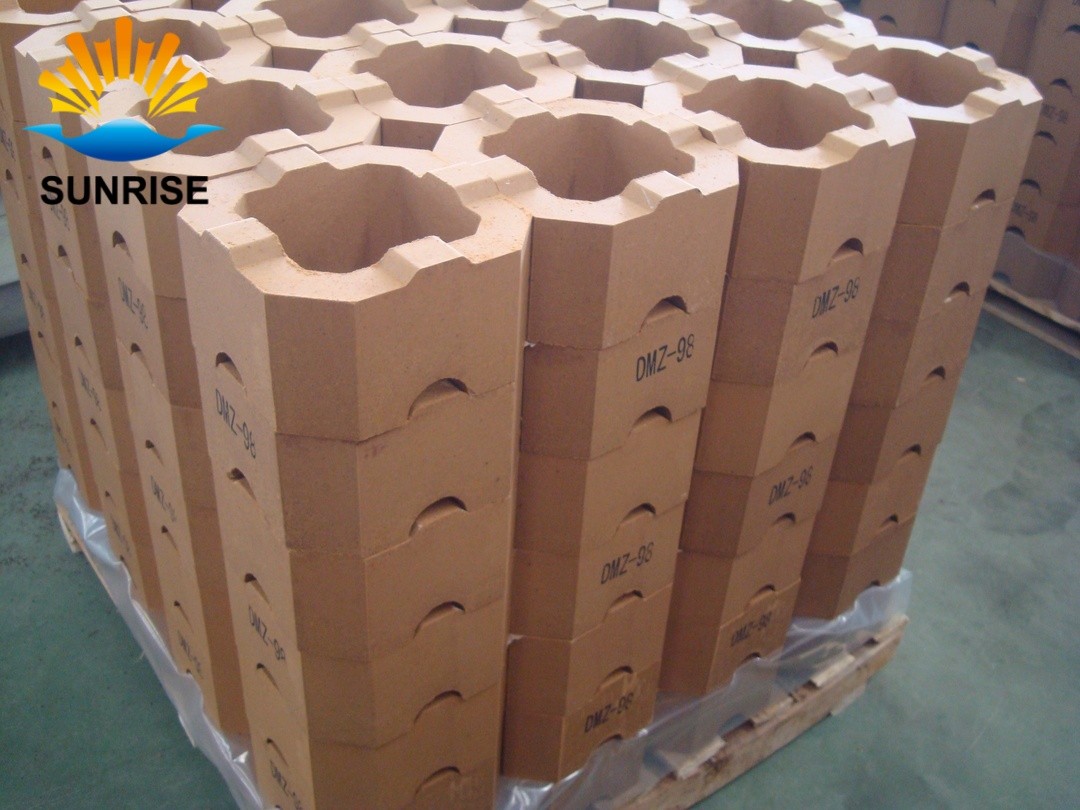
· Regenerator Checker-Work: Widely installed in the top and middle layers of glass furnace regenerator checkers. They handle intense thermal cycling and aggressively resist volatile sodium sulfate (Na₂SO₄) attacks and vapor condensation.
3. Iron & Steel Industry
· Steel Refining Ladles (LF / VOD): Applied as an excellent chromium-free lining alternative for the walls and bottoms of high-purity steel refining ladles, enduring severe mechanical washing and alkaline refining slags.
4. Non-Ferrous Metallurgy
· Smelting Furnaces & Converters: Used in the linings of copper, nickel, and lead smelting equipment to withstand the chemical attacks of multi-component metallurgical slags.
Detailed Storage Guidelines
1. Storage Location
· Dry & Ventilated Indoor Storage: The bricks must be stored in a dry, well-ventilated warehouse.
· Climate Control: Maintain a stable temperature and low humidity in the warehouse to prevent condensation caused by temperature drops.
2. Moisture Protection
· Elevated Storage: Keep the brick pallets on racks or raised platforms. Ensure they are at least 15-20 cm off the ground and 50cm off the wall to avoid rising dampness or flooring moisture.
· Ventilation and Moisture Dissipation: After removing the magnesia bricks from the container, place them in a well-ventilated area for a few days to dissipate any residual moisture absorbed during maritime transit
· Original Packaging Sealed: Keep the original seaworthy packaging (plastic shrink wrap and strapping) intact until the moment of installation. Do not open the wrap early.
3. Handling & Stacking
· First-In, First-Out (FIFO): Implement a FIFO inventory system to minimize the total storage time of the bricks.
TECHNIQUE DATA
| Item | Behaviors | |||
| Magnesia Alumina Spinel Brick | ||||
| TY-MA5 | TY-MA10 | TY-MA15 | ||
| Chemical Composition % | MgO | 85 | 80 | 80 |
| Al2O3 | 5-7 | 8-10 | 15-17 | |
| Apparent Porosity % | 18 | 18 | 17 | |
| Cold Crushing Strength MPa | 40 | 40 | 40 | |
| Refractoriness Under Load(T0.6℃) | 1620 | 1650 | 1650 | |
| Bulk Density g/cm3 | 2.9 | 2.9 | 2.9 | |
| Thermal Shock Resistance (1100℃ water cooling, times) | 6 | 8 | 10 | |
Online Message
* Note: Please be sure to fill in the information accurately and keep the communication open. We will contact you as soon as possible